
Findlay Genealogy Records
Findlay genealogy records are held by Hancock County since Findlay is the county seat of Hancock County, Ohio. The county was formed from Logan County on March 1, 1820, and records date back to 1828. You can search for birth, death, marriage, land, and probate records through the Hancock County offices right in Findlay. The courthouse and Recorder are both downtown, and the Findlay-Hancock County Public Library has genealogy collections too. This guide shows you where to look for records tied to Findlay and Hancock County families.
Findlay Overview
Findlay Records at Hancock County
Findlay is the county seat of Hancock County. The Hancock County Courthouse is at 300 S. Main Street, Findlay, OH 45840. The Probate Court keeps marriage records from 1828, birth and death records from 1867 to 1908, and probate files from 1828. The Clerk of Courts holds divorce and court records from 1828. All these offices are in the courthouse, so you can visit several in one trip.
The Hancock County Recorder holds land records from 1828. Deeds, mortgages, plats, and military discharge papers are filed there. If your ancestor owned property in or near Findlay, the Recorder's records can help you trace ownership and establish when they lived in the area. Some of these records have been digitized.
Vital Records for Findlay Research
Birth and death records for Findlay residents before 1908 are at the Hancock County Probate Court. These early entries are brief. They give you a name, date, and sometimes parents or cause of death. After 1908, the Ohio Department of Health took over. You can order post-1908 birth certificates and post-1954 death certificates from the state. Death records from 1908 to 1953 are at the Ohio History Connection in Columbus.
Marriage records from 1828 are at the Probate Court. Under Ohio Revised Code Chapter 3705, vital records must follow state registration rules. Marriage records in Ohio are public. Anyone can request a copy. Probate records from 1828 include wills, estates, guardianship files, and adoption records. Adoption records are restricted under Ohio law, but most other probate files are open to researchers.
The Findlay City Clerk keeps municipal records but not vital records. For genealogy purposes, you need the county offices.
Findlay Genealogy Libraries and Museums
The Hancock Historical Museum at 422 W Sandusky St in Findlay has local history collections and genealogy research materials. The museum holds photographs, manuscripts, and records on Hancock County families. Phone: 419-423-4433. If you are looking for details on early Findlay settlers or want to see photos of the old town, this museum is a solid resource. Staff can help with research questions.
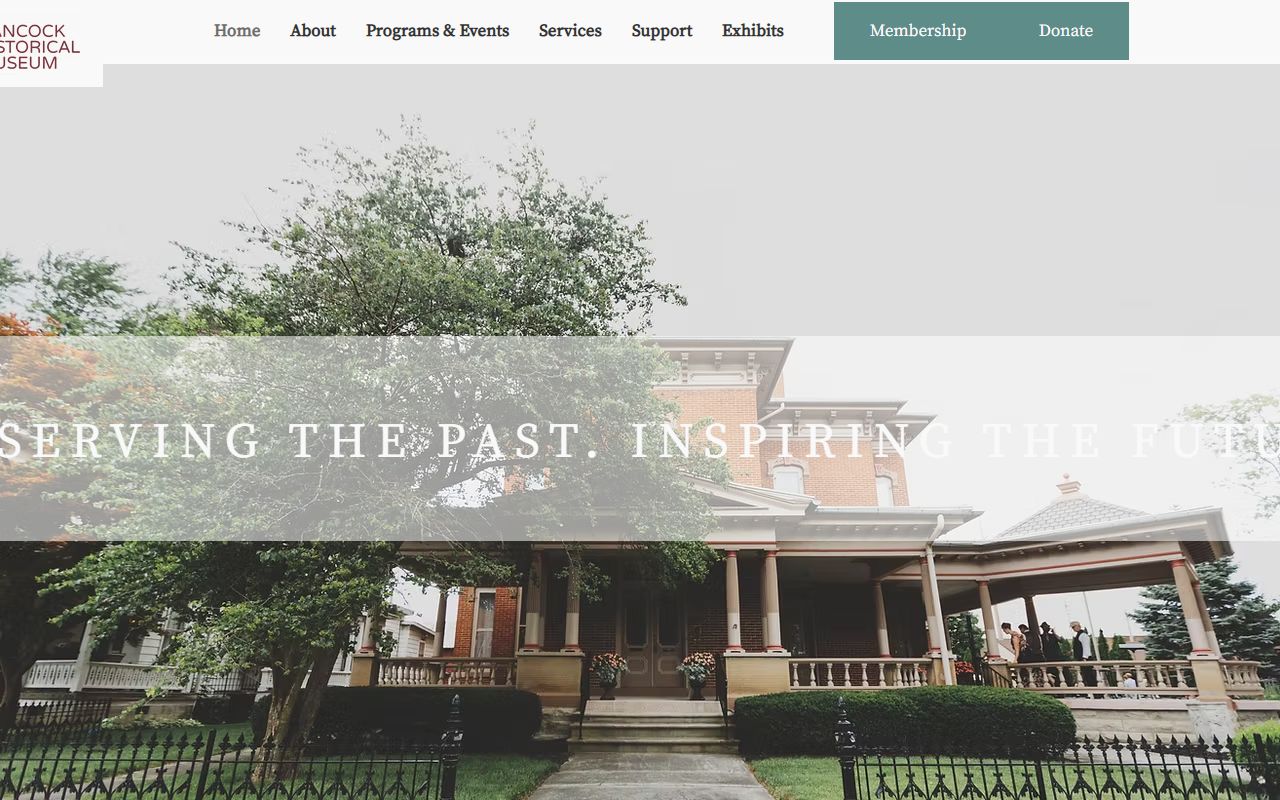
The museum's collections cover Hancock County from its founding through the oil boom era and beyond. They hold family histories, business records, and organizational archives tied to Findlay. Hancock County saw rapid growth when oil was found near Findlay in the 1880s. That boom brought new families to the area and left behind land records, business filings, and newspaper mentions that can help fill in your family tree.
The Findlay-Hancock County Public Library is a FamilySearch Affiliate Library. That means you can access FamilySearch databases and order microfilm for free at the library. The local history collection includes census records, city directories, newspaper indexes, and family files. This is a good place to start if you are new to Findlay genealogy research. The library also provides access to Ancestry Library Edition and HeritageQuest for in-library use. Census records at the library cover 1790 to 1950 and show household members, ages, and birthplaces for each decade.
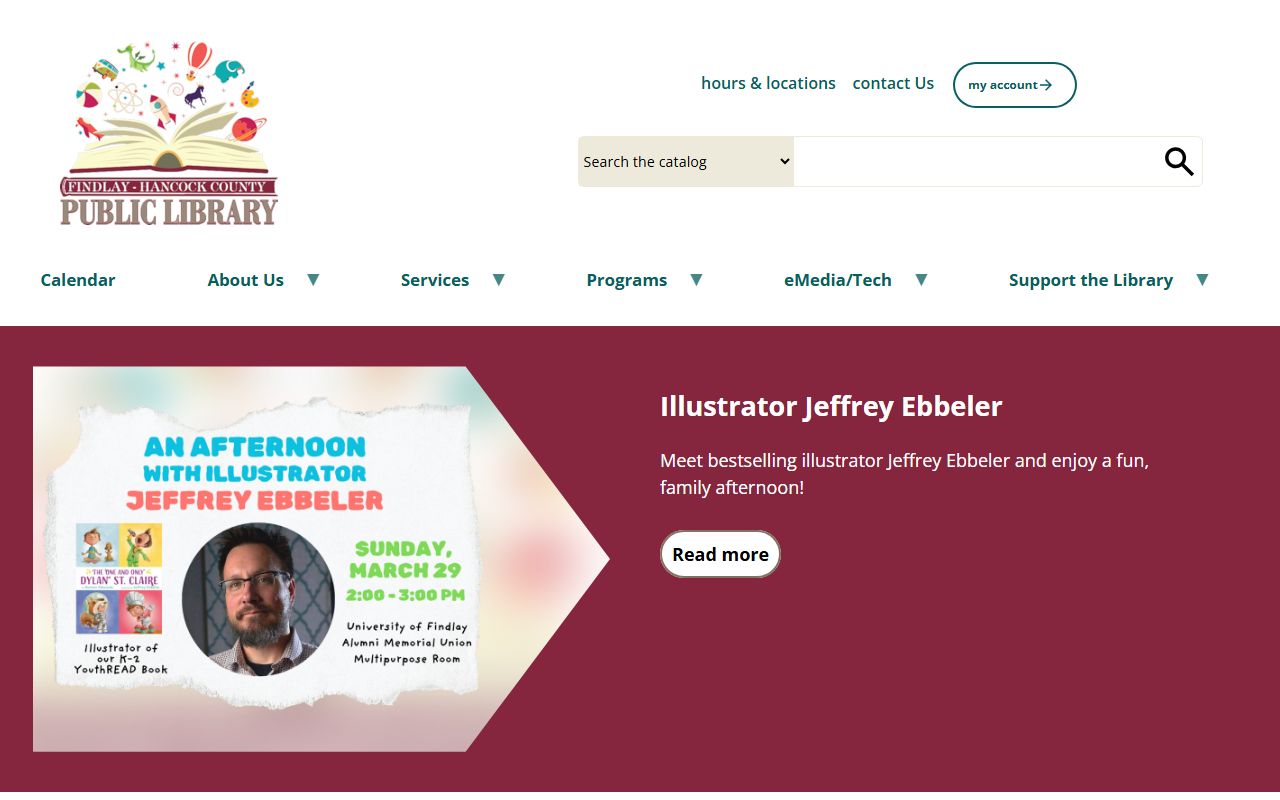
The library's genealogy section has both print and digital resources for Hancock County research. City directories for Findlay list residents by name and address with their occupation, which is useful for tracking families year by year when census records are not available.
Note: The Findlay-Hancock County Public Library can help you order FamilySearch microfilm from Salt Lake City at no cost.
Ohio Genealogy Resources for Findlay
Findlay is in northwest Ohio, which means the Bowling Green State University Center for Archival Collections is a key regional resource. The CAC holds county records, newspapers, manuscripts, and photographs for northwest Ohio counties including Hancock County. Researchers can visit in person or contact them for help with specific questions. The CAC is an official records repository for Hancock County and holds older government documents, naturalization records, and manuscript collections that have been transferred there for preservation.
The Ohio Genealogical Society covers all 88 Ohio counties. OGS publishes the Ohio Records Index with census, tax, and vital record data. FamilySearch provides free access to Ohio databases online. The Ohio Memory digital library has historical documents and photographs from across the state. OhioGenealogy.org is another free starting point for Findlay researchers.
When searching for Findlay ancestors, keep in mind that Hancock County was formed from Logan County in 1820. Records before that date may be filed under Logan County instead. The Ohio History Connection Vital Records Guide can help you sort out which office holds each record type by date range. For death records between 1908 and 1953, check the Ohio History Connection Archives in Columbus. That is a gap period that catches many people off guard. The state health department has records from 1954 forward. Findlay researchers also have access to Chronicling America for digitized Ohio newspapers that may include Hancock County publications with obituaries and family notices.
Nearby Cities
These Ohio cities near Findlay have their own genealogy record pages. Families in northwest Ohio often moved between nearby counties.