
Knox County Genealogy
Knox County genealogy records go back to 1808 when the county was formed from Fairfield County. Mount Vernon is the county seat and home to the courthouse at 111 E. High Street. The Probate Court, Clerk of Courts, and Recorder all work out of this location. Marriage files, birth and death records, court cases, probate documents, and land transfers are kept here. If your family roots run through central Ohio, Knox County records are a key piece of the puzzle. This page explains where each record type lives and how to get what you need.
Knox County Overview
Knox County Genealogy Record Sources
The Knox County Probate Court keeps birth and death records from 1867 through 1908. Marriage records start in 1808, right when the county was formed. Probate files go back to the same year. Wills, estate inventories, guardianship papers, and adoption files are all in the Probate Court's care. Early wills are especially helpful for genealogy because they often name every child, spouse, and sometimes grandchildren.
The Clerk of Courts handles divorce records and civil court cases from 1808. Criminal case files are there as well. A divorce file from the 1800s might be one of the few documents that lists a woman's maiden name or gives birth dates for children. Court records in Ohio are public under most circumstances, so you can request copies of case files for genealogy work. Under ORC Chapter 3705, the state sets the rules for how vital records are filed, stored, and accessed across all counties.
The FamilySearch Wiki for Knox County lists each record type with its start date and holding office. It is a good quick reference before you make a trip to Mount Vernon.
Knox County Land Records
The Knox County Recorder holds land records from 1808. Deeds, mortgages, plats, and military discharge papers are on file. Knox County land records tell the story of settlement in central Ohio. Early grants and purchases show when families arrived and where they put down roots. A deed transfer from father to son is often the best proof of a family relationship in the early 1800s when vital records were not yet kept.
Military discharges filed with the Recorder can help you trace veteran ancestors. If someone in your family served in the Civil War, War of 1812, or a later conflict, their discharge papers may be on file in Knox County. These documents often list age, birthplace, and physical description, all of which help confirm identity when other records are thin.
Knox County's rural character meant that many families held the same land for generations. When a father died, the property typically went to a son or was divided among heirs. These estate land divisions show up in both the Recorder and Probate Court files and can help you trace family lines across multiple generations without needing separate vital records for each person.
Genealogy Collections in Knox County
The Public Library of Mount Vernon and Knox County holds genealogy and local history collections including the Cyrus Gates Collection. The library has county histories, obituary indexes, cemetery transcriptions, and newspaper files. The Cyrus Gates Collection is a notable set of materials on Knox County families that goes beyond what official records offer. Staff at the library can help you use their databases and find materials in their local history room.
The Knox County Historical Society in Mount Vernon keeps local history collections and research files. Photographs, manuscripts, and published histories of Knox County are part of their holdings. If you have hit a wall with official records, the historical society may have family files or community records that open up a new lead.
Ohio Memory may have digitized materials from Knox County institutions including photographs and historical documents.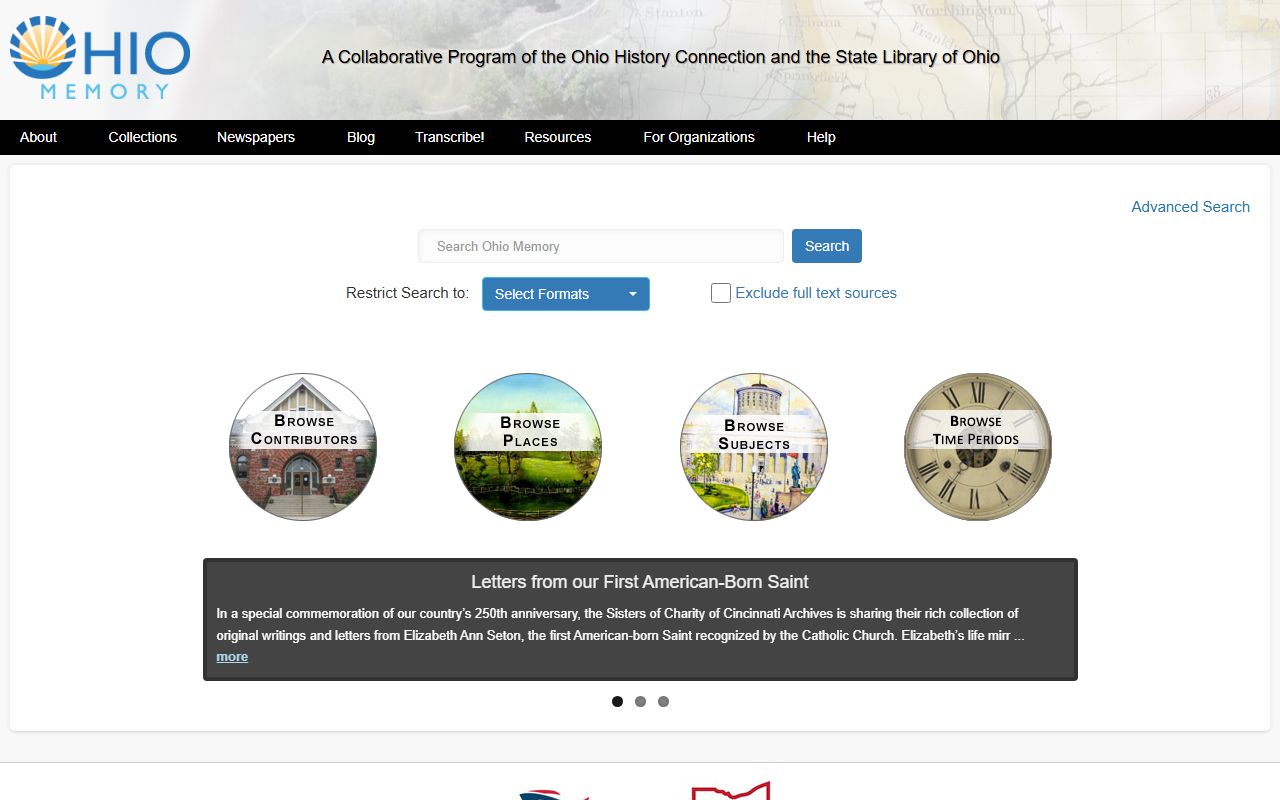
Search Ohio Memory for Knox County items to find digitized photographs, maps, and documents from local collections.
Ohio Resources for Knox County Genealogy
Birth records after December 20, 1908 are at the Ohio Department of Health. Death records from 1954 onward are there too. For death records between 1908 and 1953, check the Ohio History Connection Archives in Columbus.
The Ohio Genealogical Society publishes indexes that cover Knox County records including census, tax, and vital record data. Their research library in Bellville is close enough to Mount Vernon for a day trip. For online searches, FamilySearch has free digitized collections with Knox County content. The Ohio History Connection Vital Records Guide breaks down which office holds each record type by date, making it easy to send your request to the right place.
Knox County has no official birth or death records before 1867 since Ohio did not require county-level registration until that year. For the years between 1808 and 1867, church records, cemetery inscriptions, and family Bibles are your main tools. Tax duplicate lists from the early 1800s name property owners and can help track a family's presence in the county over time. Federal census records beginning in 1820 also cover Knox County, and the 1850 census is the first to list every person by name. The Chronicling America newspaper archive may include Mount Vernon papers with obituaries and local news that help piece together family stories.
Note: Knox County was formed from Fairfield County, so records before 1808 may be filed under Fairfield County instead.
Nearby Counties
Knox County borders these counties. If your ancestor lived near the county line, their records might be in a neighbor county.