
Access Seneca County Genealogy
Seneca County genealogy records stretch back to the 1820s when the county was first organized in north-central Ohio. Formed from Huron County on April 1, 1820, Seneca County has its seat in Tiffin. The courthouse there holds vital records, probate files, court documents, and land records that are useful for tracing family lines. Records for births and deaths start in 1867, while marriage, court, and land files go back to 1824. This guide lays out the key offices and collections you need to know about for genealogy research in Seneca County.
Seneca County Overview
Seneca County Genealogy Sources
The Seneca County Courthouse is at 117 E. Market Street in Tiffin, Ohio 44883. The Seneca County Probate Court holds birth and death records from 1867 to 1908, marriage records from 1824, and probate files from 1824. The Clerk of Courts keeps divorce and court records dating back to 1824. The Seneca County Recorder has land records from 1824 as well. All of these offices sit at or near the courthouse in Tiffin.
Early Seneca County records can be tricky. The county was formed in 1820, but organized records do not start until 1824 for most types. That four-year gap means some early documents may be in Huron County instead. If you are looking for records from the 1820 to 1824 window, check Huron County files first.
Vital Records in Seneca County
The Probate Court has birth and death records from 1867 through 1908. These are ledger entries with basic facts. After 1908, the Ohio Department of Health handles birth and death records for the state. Birth certificates from December 20, 1908 onward are available through the state, along with death records from 1954 forward. For death records between 1908 and 1953, the Ohio History Connection archives in Columbus hold copies.
Marriage records at the Seneca County Probate Court go back to 1824. Applications, licenses, and returns are all in the collection. These records often include ages, residences, and sometimes parents' names for both parties. Under Ohio Revised Code Chapter 3705, vital records across Ohio follow state filing and access rules.
Probate records from 1824 round out the Probate Court holdings. Wills, estate inventories, guardianship papers, and other probate documents are part of the files. Estate records are especially useful for genealogy because they often list heirs by name and relationship.
Seneca County Genealogy Libraries
The Tiffin-Seneca Public Library maintains genealogy and local history collections that researchers can use for free. The library holds old Seneca County newspapers, cemetery transcriptions, local histories, and family files. They also have access to genealogy databases and FamilySearch resources that you can use on site.
The Seneca County Historical Society in Tiffin keeps additional research materials. Their collections include photographs, manuscripts, and items from Seneca County's past that can fill in details you will not find in official government records. Church records, school records, and personal papers sometimes turn up in historical society collections. For records before 1867, church registers from local congregations are often the best source for births, marriages, and deaths. Cemetery transcriptions from Seneca County have been compiled by local genealogical groups and can help confirm dates when official records are missing.
The Ohio History Connection Vital Records Guide helps you figure out which office has the record you need.
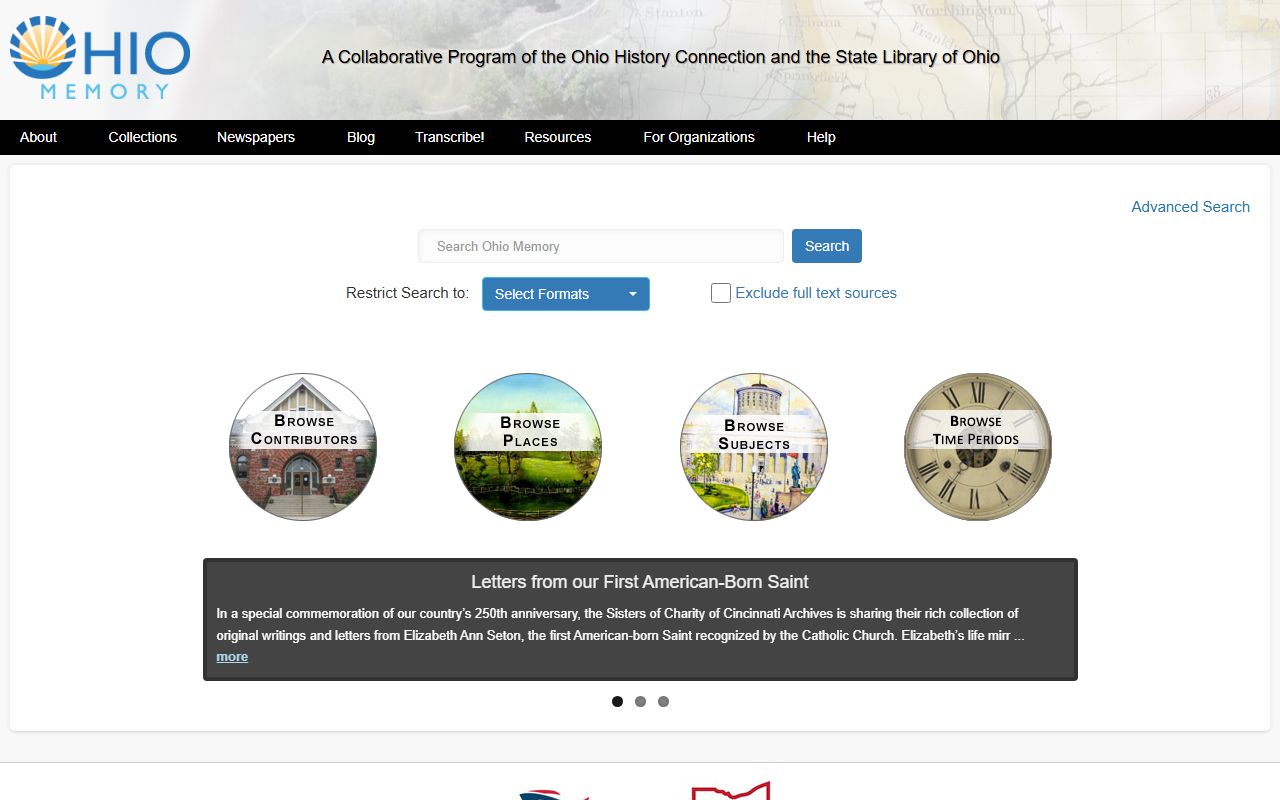
The Ohio Memory digital library holds digitized documents, photos, and maps from across Ohio, including some Seneca County materials.
Land and Court Records
Land records for Seneca County begin in 1824 at the County Recorder. Deeds, mortgages, plats, and surveys are all on file. Early land records in this part of Ohio track the wave of settlement that came through the region in the 1820s and 1830s. These records can pin down where your ancestors lived and when they bought or sold property. The FamilySearch wiki for Seneca County lists what collections have been microfilmed or digitized.
Court records from the Clerk of Courts start in 1824 and cover civil cases, criminal files, and divorce proceedings. Most court records in Ohio are public under Title 37 of the Ohio Revised Code. Divorce records can be a useful genealogy source since they often contain names, dates, and family details that are not in other records. Probate records from the same year include wills, estate inventories, and guardianship files that can name family members and list property holdings.
Ohio Genealogy Resources
The Ohio Genealogical Society offers statewide indexes and county-level research guides. The OhioGenealogy.org website has Seneca County links and lookup tools. For north-central Ohio research, the BGSU Center for Archival Collections in Bowling Green holds records, newspapers, and manuscripts from the region that can help with Seneca County genealogy.
Census records are a strong complement to the county records in Tiffin. The 1830 and 1840 censuses place early Seneca County families by name of household head. Starting in 1850, census takers listed every person in each home with their age, birthplace, and occupation. The 1880 census adds family relationships, which is especially helpful for sorting out large families. You can access all federal census records for free through FamilySearch. Ohio state tax lists from the county auditor's office are another useful tool for placing families in specific Seneca County townships.
Note: Seneca County was carved from Huron County in 1820, but most organized records begin in 1824; check Huron County for the earliest records.
Nearby Counties
These counties share a border with Seneca County. If your ancestor lived near the edge of the county, their records may have been filed next door.