
Columbus Genealogy Records
Columbus genealogy records span more than two hundred years of Ohio's capital city. As the seat of Franklin County and the state's largest city, Columbus holds a deep set of vital records, court files, land documents, and archival collections for family history research. Several offices in and around downtown Columbus keep birth, death, marriage, and probate records that trace back to the early 1800s. The Ohio State Archives sit right in the city, which gives Columbus researchers a major advantage when searching for records from any county in the state. This guide walks through the key places and tools you can use to find Columbus genealogy records.
Columbus Overview
Columbus Records at Franklin County
Columbus sits in Franklin County, and the county offices handle most genealogy records for the city. The Franklin County Probate Court is at 373 South High Street in Columbus. It keeps birth and death records filed before 1908, marriage records from 1803, and probate files from 1805. Many of these records can be searched through the court's online tools. Marriage records are some of the most complete in the state since they go back to the year the county was formed.
The Franklin County Clerk of Courts holds divorce records and civil case files from 1803 onward. If you need a copy of a divorce decree or civil court document for a Columbus ancestor, that office is where to start. Land records go back to 1800. The county was part of the Virginia Military District, so early land grants came from Virginia military bounty warrants. Deeds, mortgages, and plats are filed with the County Recorder and County Auditor.
Under Ohio Revised Code Chapter 3705, vital records must be filed with local registrars. Birth certificates must be filed within ten days of birth per Section 3705.09. For birth and death records after December 20, 1908, the Ohio Department of Health took over statewide registration.
Columbus Metropolitan Library Genealogy
The Columbus Metropolitan Library runs the My History collection with a large set of digitized materials on Columbus and Franklin County history. The collection holds 190,000 MLS Real Estate Cards from 1950 to 1970 and the Columbus News Index Obituary Index covering 1931 to 1997. Those real estate cards can help you pin down where a family lived during the mid-twentieth century. The obituary index is a fast way to find death dates and family connections for Columbus residents across six decades.
The library is a FamilySearch Affiliate Library. That means you get free access to FamilySearch databases and microfilm on site. Staff can help you get started with local genealogy work if you are new to it. The library also provides Ancestry Library Edition for in-library use, along with census records, city directories, and other searchable databases. All of these tools are free with a library card, and any Ohio resident can get one.
The Columbus Metropolitan Library offers a range of online and in-person genealogy tools for researchers in the Columbus area.
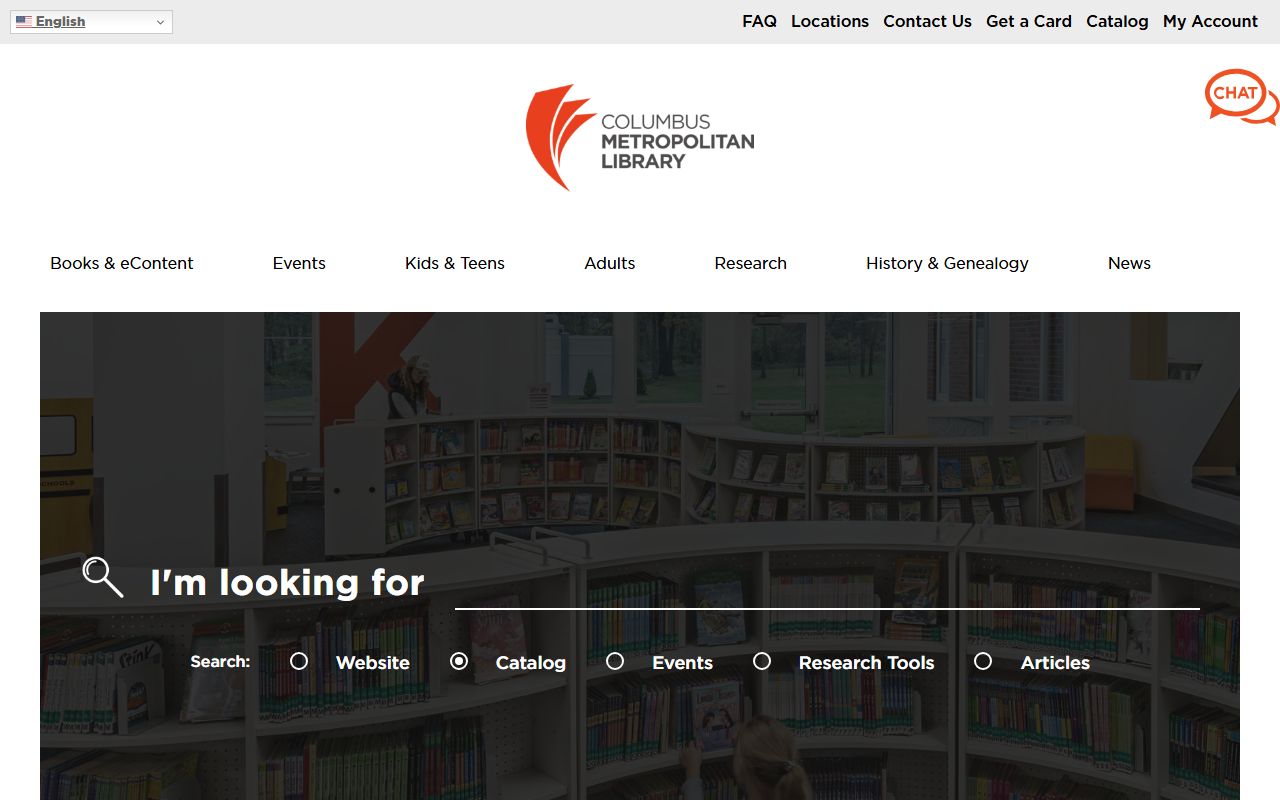
Visit the My History collection to browse digitized real estate cards, obituary indexes, and local history materials for Columbus.
Columbus City Records
The Columbus City Clerk's Office keeps city council minutes, ordinances, and resolutions. These municipal records can fill gaps for researchers looking into how Columbus families interacted with city government. Older city records may also show licensing, tax, and zoning information tied to specific addresses or businesses.
The City of Columbus government website provides access to city records and municipal documents.
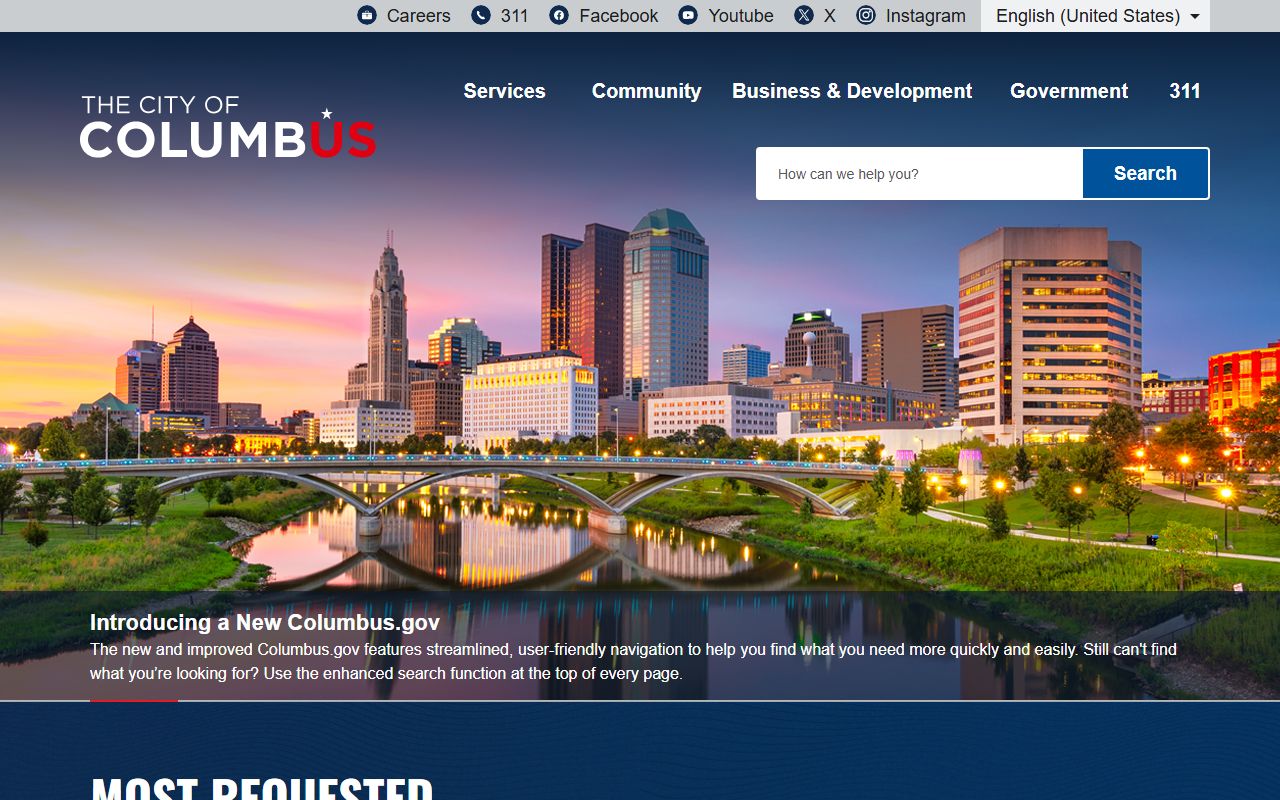
Use the city's online portal to search for ordinances, council minutes, and other Columbus municipal records.
Columbus Public Health maintains birth and death records for the city from 1908 to the present. You can order certified copies through their office. For records before 1908, you need the Franklin County Probate Court. Death records from 1908 through 1953 may also be at the Ohio History Connection Archives in Columbus.
Ohio State Archives in Columbus
Columbus has a big edge for genealogy work. The Ohio History Connection Archives and Library is right here in the city. This is the state archives. They hold death records from 1908 through 1953, probate birth records for 28 Ohio counties, and a deep collection of manuscripts, newspapers, census records, and county histories. Researchers can visit in person for free. The staff will help you find records and use the catalog.
The Columbus Historical Society keeps research collections on Columbus and Franklin County history. Their holdings include photographs, manuscripts, and local history publications. These materials can fill in details about early Columbus families that you might not find in official records alone. The society is a good place to check for context on community life in Columbus across different time periods.
The Ohio Genealogical Society also serves Columbus researchers. While the main OGS library is in Bellville, the Franklin County chapter holds local events and workshops in the Columbus area. OGS publishes the Ohio Records Index covering census, tax, court, and vital records for counties across the state. Online tools like FamilySearch and the Ohio History Connection Vital Records Guide are also useful for figuring out which office holds specific record types by time period.
Note: For Columbus birth and death records after 1908, contact the Ohio Department of Health at 614-466-2531 or visit their office at 4200 Surface Road in Columbus.
Online Genealogy Tools for Columbus
Ohio Memory is a free digital library with collections from museums, libraries, and archives across the state. You can search for photographs, documents, and other primary sources tied to Columbus and Franklin County. The site is a partnership between the Ohio History Connection and the State Library of Ohio. It is one of the best free tools for Ohio genealogy work.
OhioGenealogy.org pulls together links and guides for every county in the state. The Franklin County section has direct links to record offices, online databases, and local genealogy societies. Chronicling America from the Library of Congress has digitized Ohio newspapers that can help you find obituaries, notices, and articles about Columbus residents from the 1800s and early 1900s. Under Title 37 of the Ohio Revised Code, most court and land records in Ohio are open to the public for research.
Nearby Cities
These cities are near Columbus. Ancestors who lived in the Columbus area may have records filed in a neighboring city or county.