
Dayton Genealogy
Dayton genealogy records go back to 1803 when Montgomery County was first organized. As the county seat and the largest city in the Miami Valley, Dayton holds a strong set of vital records, court files, land documents, and archival collections. The Dayton Metro Library runs one of Ohio's best genealogy departments through the Dayton Room. Wright State University keeps specialized archives on local history. Combined with Montgomery County offices that hold marriage records from 1803 and land records from 1805, Dayton gives researchers a solid foundation for tracing family lines in Southwest Ohio.
Dayton Overview
Montgomery County Records for Dayton
Dayton sits in Montgomery County. The Montgomery County Probate Court keeps birth and death records from 1867 to 1908, marriage records from 1803, and probate records from 1803. Those are among the oldest continuous record collections in Southwest Ohio. The court holds estate files, wills, guardianship papers, and adoption records. Marriage records from 1803 to the present are searchable at the court.
The Montgomery County Recorder holds land records from 1805 for Dayton and the rest of the county. Deeds, mortgages, and military discharge papers are filed there. For Dayton ancestors who owned property, these records trace land ownership back more than two centuries. The Montgomery County Records Center and Archives maintains historical government records including older probate, court, and land files that have been archived over the years.
For birth and death records after 1908, contact the Montgomery County Vital Statistics office or the Ohio Department of Health. Under Ohio Revised Code Chapter 3705, vital records must be filed with local registrars and follow state guidelines for registration.
Dayton Metro Library Genealogy
The Dayton Metro Library runs the Dayton Room, which is one of Ohio's best genealogy collections. The Dayton Room holds books, periodicals, indexes, genealogies, biographies, census records, city directories, Sanborn maps, and military records. African American genealogy resources are also part of the collection. If you are doing Dayton genealogy work, the Dayton Room is the first place to go.
The library provides access to Ancestry Library Edition, HeritageQuest, Fold3, and Newspapers.com for in-library use. All of these databases are free with a library card. Census records cover 1790 to 1950. City directories help you track where a Dayton family lived and what they did for work across different decades. Sanborn fire insurance maps show building footprints and can help you place an ancestor's home or business on a specific block.
The Dayton Metro Library is home to the Dayton Room, one of Ohio's top genealogy collections.
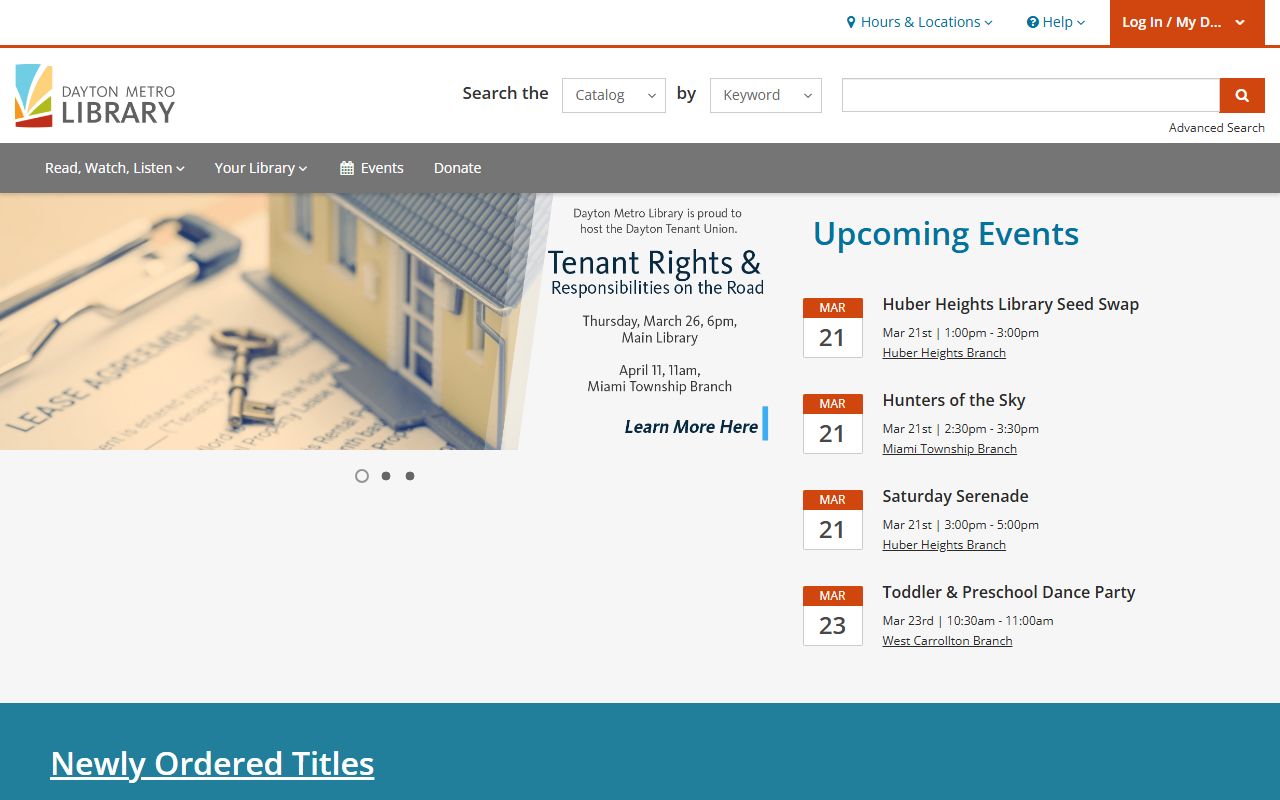
Visit the Dayton Room for access to census records, city directories, military records, and online databases for Dayton genealogy research.
Dayton University Archives
Wright State University Special Collections and Archives maintains extensive collections on Dayton and local history. The Wright Brothers Collections are the centerpiece, but the archives also hold local manuscript collections, photographs, and documents that tie into Dayton genealogy work. If your ancestors were part of the Dayton community during the early 1900s, these archives may have materials that connect to their story.
The Montgomery County Records Center and Archives stores historical government records for the county.
The Records Center holds archived probate, court, and land files for Montgomery County and Dayton.
The University of Dayton also has archives with Catholic history collections and local manuscripts. If your Dayton ancestor was part of the Catholic community, these collections may hold baptism records, parish histories, or other church documents that can fill in details that civil records miss.
Note: Any county or city health department in Ohio can provide copies of birth and death records filed after 1908.
The Dayton City Clerk maintains city council minutes, ordinances, and municipal records. These city-level records can help you find details about how ancestors interacted with Dayton's government, including business licenses, zoning changes, and public works projects. Dayton was a center for invention and industry, so business records and patent files from the area can also connect to family history research.
Online Genealogy Tools for Dayton
FamilySearch gives free access to Ohio vital records databases. Ohio Memory has digitized collections from libraries and archives across Ohio. The Ohio History Connection Vital Records Guide helps you figure out which office holds specific record types by time period. OhioGenealogy.org links to Montgomery County record offices and local resources.
The Ohio History Connection in Columbus holds death records from 1908 through 1953 and a deep collection of manuscripts, newspapers, and county histories. The Ohio Genealogical Society publishes indexes covering census, tax, court, and vital records for counties across the state. Chronicling America from the Library of Congress has digitized Ohio newspapers. Under Title 37 of the Ohio Revised Code, most court and land records are open to the public for research.
Montgomery County was formed from Hamilton and Wayne Counties on May 1, 1803. Records before that date for Dayton families may be filed under Hamilton or Wayne County. The county courthouse at 41 N. Perry Street in Dayton holds the Probate Court and Clerk of Courts offices. Divorce records and civil case files from 1803 are at the Clerk of Courts. These older court files can contain details about family disputes, property divisions, and witness lists that connect to your genealogy research. FamilySearch also provides free Ohio genealogy databases you can search from home.
Note: For Dayton birth and death records after 1908, contact Montgomery County Vital Statistics or the Ohio Department of Health at 614-466-2531.
Nearby Cities
These cities are near Dayton. Ancestors in the Dayton area may have records in a neighboring city or county.